Articles
For a Healthier, Happier You
Competing Theories of Cancer: A Complex Landscape
Nine competing models of what actually causes cancer - from somatic mutation to metabolic, immune, and bioelectric theories - examined side by side.
Ask ten cancer researchers what causes cancer, and you’ll get variations on one answer: damaged DNA driving cells to grow out of control. Ask a wider circle — metabolic researchers, immunologists, historians of medicine, mind-body researchers — and the picture gets more interesting. Cancer has been studied for well over a century, and across that history, several genuinely different models of what’s actually happening at the root of the disease have emerged. Some are the bedrock of modern oncology. Some are minority positions within real science, still being tested. Some are older ideas revived by newer evidence. A few are frameworks that have never been validated by controlled trials, and we say so plainly where that’s the case.
This article isn’t a ranking. It’s a map — of what each theory claims, who’s behind it, what evidence exists, and where each one currently stands. Every citation below links directly to its source so you can verify it yourself.
This article is for informational purposes only and is not intended to diagnose, treat, cure, or prevent any disease. It is not a substitute for professional medical advice, diagnosis, or treatment. Always consult a qualified healthcare professional before making decisions about your health.
The Somatic Mutation Theory (Standard of Care)
The claim: Cancer begins when a single cell accumulates enough genetic damage — mutations in genes controlling growth, repair, and cell death — that it escapes the body’s normal checks and divides uncontrollably. Subsequent generations of that cell accumulate further mutations, and the tumor evolves in real time inside the body.
Where it stands: This is the theory that current mainstream oncology is built on, and it’s the reason cancer care in the United States centers on surgery, radiation, and chemotherapy — physically removing or destroying the mutated cells. The National Cancer Institute describes cancer in these terms.¹ A landmark 2011 paper by Douglas Hanahan and Robert Weinberg, “Hallmarks of Cancer: The Next Generation,” is the modern touchstone for this model — it organizes decades of genetic findings into a shared framework of traits that let a mutated cell survive and spread, and it remains one of the most-cited papers in cancer biology.²
The open question: Somatic Mutation Theory doesn’t fully explain why some cells with cancer-associated mutations never become tumors, or why tumor microenvironment, metabolism, and immune status all measurably affect outcomes independent of the mutations present. Later research — including Hanahan and Weinberg’s own 2011 update — has folded metabolic and immune factors into the standard model as “enabling characteristics,” rather than treating mutation as the whole story.
The Metabolic Theory of Cancer
The claim: Cancer is fundamentally a disease of cellular energy production, not genetics. Even in the presence of oxygen, cancer cells preferentially ferment glucose for fuel instead of using the far more efficient oxidative respiration healthy cells rely on — a phenomenon first documented by Otto Warburg in 1927 and now known as the Warburg effect.³ Proponents of the metabolic theory argue that genetic mutations are downstream consequences of damaged mitochondria and disrupted energy metabolism, not the root cause — and that starving cancer cells of their preferred fuel (glucose) is a viable treatment strategy in its own right.
Key proponents: Dr. Thomas Seyfried (Boston College) is the theory’s most prominent contemporary advocate, building on Warburg’s original work. Dr. Dominic D’Agostino (University of South Florida) has extended the research into practical metabolic interventions — ketogenic diets, therapeutic fasting, and hyperbaric oxygen — often in combination with Seyfried.
Supporting evidence: Seyfried and Shelton’s 2010 review, “Cancer as a metabolic disease,” lays out the theoretical case in detail.⁴ Seyfried, D’Agostino, and colleagues followed with preclinical and clinical work applying calorie-restricted ketogenic diets alongside standard care for aggressive brain cancers, published in Cancer Letters in 2015.⁵ The mechanism is well accepted; PET scans used to locate tumors throughout modern oncology work by detecting exactly this — cancer’s elevated glucose consumption.⁶
Where it stands: Metabolic therapy is an active, legitimate area of oncology research — not fringe, but also not yet standard of care. It’s most often studied and used as an adjunct to conventional treatment, not a replacement for it, and Seyfried’s own writing is explicit that more clinical trials are needed before broader conclusions can be drawn.
Cancer Immunosurveillance and Immunoediting
The claim: A healthy immune system continuously identifies and eliminates abnormal cells before they can become tumors — meaning visible cancer represents a failure, or an evasion, of immune defense rather than a purely cellular event. This reframes cancer treatment around a question: how do we get the immune system to recognize and attack what it’s currently missing?
Key proponents: The concept traces to immunologist Sir Frank Macfarlane Burnet, who formalized “immunological surveillance” in an influential 1970 paper.⁷ It was a minority position for decades — difficult to prove and, for a long time, difficult to act on clinically.
Supporting evidence: That changed with the discovery of immune “checkpoint” molecules — proteins like CTLA-4 and PD-1 that tumors exploit to switch off the immune response against them. Blocking those checkpoints reawakens the immune system’s ability to attack cancer cells directly. The discovery was significant enough that James Allison and Tasuku Honjo shared the 2018 Nobel Prize in Physiology or Medicine specifically “for their discovery of cancer therapy by inhibition of negative immune regulation.”⁸
Where it stands: This is no longer an alternative theory — checkpoint inhibitors are now standard treatment for numerous cancer types, and immunotherapy broadly is one of the fastest-growing areas of mainstream oncology. It’s included here because as recently as the 1990s it was considered speculative, and its trajectory — from minority hypothesis to Nobel-winning standard of care in roughly two decades — is itself a useful reminder of how these theories evolve.
The Terrain Theory
The claim: Disease susceptibility is governed less by the presence of a pathogen or a mutation and more by the internal condition — the “terrain” — of the body it’s trying to take hold in. A body in a state of internal balance resists disease; a body whose internal environment is compromised (through toxin exposure, poor nutrition, or chronic stress) becomes hospitable to it.
Key proponents: French scientist Antoine Béchamp developed Terrain Theory in the 19th century, in direct opposition to his contemporary Louis Pasteur’s Germ Theory — the now-dominant idea that specific external microorganisms cause specific diseases. Béchamp and Pasteur were genuine scientific rivals; history has generally sided with Pasteur on infectious disease, and Terrain Theory never became mainstream medicine’s account of cancer specifically, since Béchamp wasn’t writing about cancer as we understand it today.
Where it stands: As a literal, named 19th-century theory, Terrain Theory is a historical position, not an active area of cancer research, and it predates modern genetics and cell biology entirely — it isn’t cited in contemporary oncology literature. Its broader spirit — that a person’s overall physiological state (nutrition, inflammation, toxin load, metabolic health) shapes disease risk — is echoed in how integrative and functional medicine frame prevention today, even where practitioners don’t invoke Béchamp by name.
The Acid-Alkaline Hypothesis

The claim: An acidic internal environment promotes cancer growth and progression, and alkalizing the body — through diet, supplementation, or targeted alkalization therapy — creates conditions less favorable to cancer and more supportive of treatment.
What the real science shows: Cancer cells that rely on the Warburg effect (see above) produce large amounts of lactic acid as a metabolic byproduct, creating an acidic microenvironment immediately around a tumor. This local acidity is well documented to favor tumor invasion and suppress local immune activity, and it’s an active target of real oncology research.⁹ Separately, biomarker studies have found real, measurable associations between acidity and cancer: one study found salivary pH was lower in untreated cancer patients than in people without cancer, rising back toward normal after treatment,¹⁰ and a large case-control study found consistently acidic urine (pH ≤6.0) associated with a 50% higher risk of bladder cancer.¹¹
The more direct question — does deliberately alkalizing the body improve outcomes — has real, if preliminary, clinical evidence behind it. Two retrospective studies out of Japan examined “alkalization therapy” (an alkaline diet combined with oral sodium bicarbonate) given alongside standard chemotherapy for advanced pancreatic cancer. In the first, patients whose urine pH rose above 7.0 during treatment had a median overall survival of 16.1 months, versus 4.7 months for those whose urine stayed more acidic.¹² In a separate case-control study by the same research group, the alkalization group survived a median of 15.4 months versus 10.8 months for controls receiving chemotherapy alone.¹³ Both findings were statistically significant. It’s worth being precise about what these studies do and don’t show: they’re retrospective, single-center, and not yet confirmed by a randomized trial, so the results are best read as a genuinely promising signal rather than settled proof — the researchers themselves call for a prospective randomized trial to confirm the effect.
Where it stands: The tumor microenvironment research is legitimate and ongoing, and it underpins one of the more enduring branches of complementary cancer care: alkalizing protocols aimed at supporting the body’s internal terrain during and after treatment. The Gerson Therapy, developed by Dr. Max Gerson in the 1920s–30s and still practiced today at licensed clinics, is the best-known example — built around organic, plant-based nutrition, juicing, and detoxification support, with alkalizing the body as one of its central mechanisms. It remains a meaningful complementary approach for patients seeking to support their body’s terrain alongside conventional care. Distinct from Gerson specifically, the sodium-bicarbonate “alkalization therapy” studies above represent a more recently studied, more targeted approach with real (if preliminary) clinical data behind it. In the interest of the same honesty we bring to every theory in this piece: no randomized controlled trials of Gerson Therapy itself have been conducted, and the National Cancer Institute states that “no conclusions about the effectiveness of the Gerson therapy, either as an adjuvant to other cancer therapies or as a cure, can be drawn from any of the studies reported.”¹⁴
The Bioelectric Theory
The claim: Every cell maintains a voltage across its membrane — a small electrical charge that helps regulate its behavior. Proponents of this theory argue that cancer cells are measurably “electron deficient,” with abnormally low transmembrane voltage compared to healthy cells, and that this altered bioelectric state contributes to unregulated growth and division.
Key proponents: Dr. Gerald Pollack’s research on water and cellular structure, and the developmental biology work of Dr. Michael Levin on bioelectric signaling in cell behavior, are the most-cited contemporary sources for this framework. Historically, Dr. Robert O. Becker’s research on the body’s electrical properties laid early groundwork.
Where it stands: Measurable differences in transmembrane voltage between healthy and cancerous cells are a documented finding in the cell biology literature, and bioelectric signaling is a real, growing subfield.¹⁵ Whether deliberately altering a cell’s voltage (through methods like grounding or PEMF therapy) can meaningfully affect cancer progression in a living person is a much less settled question, with far less direct clinical evidence than the underlying cell-biology observation. We cover this theory in more depth, including the specific research behind it, in our companion article on the cancer-aging connection.
The Vitamin Theory
The Vitamin Theory, proposed by multiple researchers, suggests that cancer is a deficiency in the Vitamin B-17 (also known as amygdalin or Laetrile) and can be resolved by supplementing this essential and poorly understood vitamin. Proponents often point to the traditional diet of the Hunza people of northern Pakistan — rich in apricots, kernels included — as circumstantial support, alongside apricot pits’ long history of use in traditional medicine more broadly.
Laetrile has a substantial real-world history as a complementary cancer treatment. It remains unapproved by the FDA in the United States, and treatments are given in Mexico and at some U.S. clinics.¹⁶ Long-running clinics in Tijuana, including centers focused specifically on Laetrile therapy, have treated international patients since the 1960s, and these clinics report positive outcomes among the patients they treat.
Where it stands: This is the most contested theory on this list. Amygdalin is not classified as an essential vitamin by mainstream nutritional science, and no recognized deficiency syndrome for it exists. The FDA has not approved it as a cancer treatment, and the U.S. Supreme Court upheld a federal ban on shipping it across state lines in 1980. The Hunza people’s claimed exceptional longevity and freedom from cancer — often cited alongside their apricot-rich diet — is worth examining directly: the claims trace to unverified mid-20th-century reports, and later demographic research found no valid birth records to substantiate the ages claimed. Gerontologists studying longevity now class Hunza Valley alongside the Caucasus and Ecuador’s Vilcabamba region as one of the classic “extreme longevity myths” debunked by rigorous investigation in the early 1980s.¹⁷ We include the Vitamin Theory, its clinical history, and the claims made in its support because it circulates widely in complementary and alternative medicine communities and deserves acknowledgment as a real, if contested, position — not because this article is taking a stance on its efficacy.
Psychoneuroimmunology
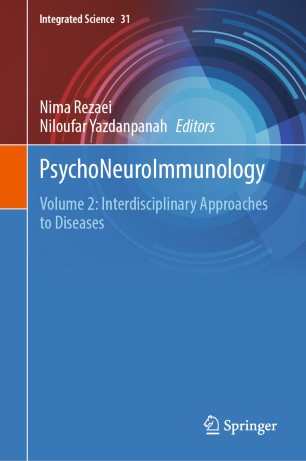
The claim: The mind and body are not separate systems when it comes to disease. Chronic stress, unresolved trauma, and emotional state produce measurable biochemical changes — in stress hormones, inflammatory markers, and immune cell activity — that can influence a person’s susceptibility to disease, including cancer.
Key proponents: Psychoneuroimmunology (PNI) is a real, named academic discipline, not a fringe idea. Robert Ader and Nicholas Cohen coined the term and demonstrated that immune suppression could be behaviorally conditioned in a landmark 1975 study.¹⁸ Neuroscientist Dr. Candace Pert’s 1973 discovery of the opiate receptor — the first confirmed neurotransmitter receptor found in the brain — provided a biochemical mechanism for how emotional and neurological states could physically communicate with the immune system via shared receptor sites.¹⁹ Her popular book, Molecules of Emotion (1997), brought the field’s implications to a general audience.²⁰
Where it stands: PNI as a field is well-established and continues to be studied at major research institutions; chronic stress’s effects on immune function and inflammation are broadly accepted. The stronger claim — that psychological factors are a primary driver of cancer specifically, rather than one contributing factor among many — is a less settled, more actively debated extension of the underlying, better-supported science.
Bringing the Lenses Together
None of these theories require choosing a single “correct” answer to the exclusion of the others — and in practice, they’re increasingly not treated as mutually exclusive within legitimate research. A tumor’s genetic mutations, metabolic behavior, immune evasion tactics, local microenvironment, and even the bioelectric state of its cells are all measurable, all interconnected, and all active areas of real science. Where a theory has moved from hypothesis to demonstrated clinical benefit — as immunotherapy has — we’ve said so directly. Where a theory remains a historical position, a promising-but-preliminary line of research, or a genuinely contested minority view, we’ve said that too.
Understanding this landscape is also the foundation of our own approach. Our Cancer-Aging Connection framework draws on the metabolic, acid-microenvironment, and bioelectric threads discussed here — sugar metabolism, tumor pH, and cellular voltage — as practical starting points for supporting long-term health, alongside conventional medical care rather than as a replacement for it.
Ask ten cancer researchers what causes cancer, and you’ll get variations on one answer: damaged DNA driving cells to grow out of control. Ask a wider circle — metabolic researchers, immunologists, historians of medicine, mind-body researchers — and the picture gets more interesting. Cancer has been studied for well over a century, and across that history, several genuinely different models of what’s actually happening at the root of the disease have emerged. Some are the bedrock of modern oncology. Some are minority positions within real science, still being tested. Some are older ideas revived by newer evidence. A few are frameworks that have never been validated by controlled trials, and we say so plainly where that’s the case.
This article isn’t a ranking. It’s a map — of what each theory claims, who’s behind it, what evidence exists, and where each one currently stands. Every citation below links directly to its source so you can verify it yourself.
This article is for informational purposes only and is not intended to diagnose, treat, cure, or prevent any disease. It is not a substitute for professional medical advice, diagnosis, or treatment. Always consult a qualified healthcare professional before making decisions about your health.
The Somatic Mutation Theory (Standard of Care)
The claim: Cancer begins when a single cell accumulates enough genetic damage — mutations in genes controlling growth, repair, and cell death — that it escapes the body’s normal checks and divides uncontrollably. Subsequent generations of that cell accumulate further mutations, and the tumor evolves in real time inside the body.
Where it stands: This is the theory that current mainstream oncology is built on, and it’s the reason cancer care in the United States centers on surgery, radiation, and chemotherapy — physically removing or destroying the mutated cells. The National Cancer Institute describes cancer in these terms.¹ A landmark 2011 paper by Douglas Hanahan and Robert Weinberg, “Hallmarks of Cancer: The Next Generation,” is the modern touchstone for this model — it organizes decades of genetic findings into a shared framework of traits that let a mutated cell survive and spread, and it remains one of the most-cited papers in cancer biology.²
The open question: Somatic Mutation Theory doesn’t fully explain why some cells with cancer-associated mutations never become tumors, or why tumor microenvironment, metabolism, and immune status all measurably affect outcomes independent of the mutations present. Later research — including Hanahan and Weinberg’s own 2011 update — has folded metabolic and immune factors into the standard model as “enabling characteristics,” rather than treating mutation as the whole story.
The Metabolic Theory of Cancer
The claim: Cancer is fundamentally a disease of cellular energy production, not genetics. Even in the presence of oxygen, cancer cells preferentially ferment glucose for fuel instead of using the far more efficient oxidative respiration healthy cells rely on — a phenomenon first documented by Otto Warburg in 1927 and now known as the Warburg effect.³ Proponents of the metabolic theory argue that genetic mutations are downstream consequences of damaged mitochondria and disrupted energy metabolism, not the root cause — and that starving cancer cells of their preferred fuel (glucose) is a viable treatment strategy in its own right.
Key proponents: Dr. Thomas Seyfried (Boston College) is the theory’s most prominent contemporary advocate, building on Warburg’s original work. Dr. Dominic D’Agostino (University of South Florida) has extended the research into practical metabolic interventions — ketogenic diets, therapeutic fasting, and hyperbaric oxygen — often in combination with Seyfried.
Supporting evidence: Seyfried and Shelton’s 2010 review, “Cancer as a metabolic disease,” lays out the theoretical case in detail.⁴ Seyfried, D’Agostino, and colleagues followed with preclinical and clinical work applying calorie-restricted ketogenic diets alongside standard care for aggressive brain cancers, published in Cancer Letters in 2015.⁵ The mechanism is well accepted; PET scans used to locate tumors throughout modern oncology work by detecting exactly this — cancer’s elevated glucose consumption.⁶
Where it stands: Metabolic therapy is an active, legitimate area of oncology research — not fringe, but also not yet standard of care. It’s most often studied and used as an adjunct to conventional treatment, not a replacement for it, and Seyfried’s own writing is explicit that more clinical trials are needed before broader conclusions can be drawn.
Cancer Immunosurveillance and Immunoediting
The claim: A healthy immune system continuously identifies and eliminates abnormal cells before they can become tumors — meaning visible cancer represents a failure, or an evasion, of immune defense rather than a purely cellular event. This reframes cancer treatment around a question: how do we get the immune system to recognize and attack what it’s currently missing?
Key proponents: The concept traces to immunologist Sir Frank Macfarlane Burnet, who formalized “immunological surveillance” in an influential 1970 paper.⁷ It was a minority position for decades — difficult to prove and, for a long time, difficult to act on clinically.
Supporting evidence: That changed with the discovery of immune “checkpoint” molecules — proteins like CTLA-4 and PD-1 that tumors exploit to switch off the immune response against them. Blocking those checkpoints reawakens the immune system’s ability to attack cancer cells directly. The discovery was significant enough that James Allison and Tasuku Honjo shared the 2018 Nobel Prize in Physiology or Medicine specifically “for their discovery of cancer therapy by inhibition of negative immune regulation.”⁸
Where it stands: This is no longer an alternative theory — checkpoint inhibitors are now standard treatment for numerous cancer types, and immunotherapy broadly is one of the fastest-growing areas of mainstream oncology. It’s included here because as recently as the 1990s it was considered speculative, and its trajectory — from minority hypothesis to Nobel-winning standard of care in roughly two decades — is itself a useful reminder of how these theories evolve.
The Terrain Theory
The claim: Disease susceptibility is governed less by the presence of a pathogen or a mutation and more by the internal condition — the “terrain” — of the body it’s trying to take hold in. A body in a state of internal balance resists disease; a body whose internal environment is compromised (through toxin exposure, poor nutrition, or chronic stress) becomes hospitable to it.
Key proponents: French scientist Antoine Béchamp developed Terrain Theory in the 19th century, in direct opposition to his contemporary Louis Pasteur’s Germ Theory — the now-dominant idea that specific external microorganisms cause specific diseases. Béchamp and Pasteur were genuine scientific rivals; history has generally sided with Pasteur on infectious disease, and Terrain Theory never became mainstream medicine’s account of cancer specifically, since Béchamp wasn’t writing about cancer as we understand it today.
Where it stands: As a literal, named 19th-century theory, Terrain Theory is a historical position, not an active area of cancer research, and it predates modern genetics and cell biology entirely — it isn’t cited in contemporary oncology literature. Its broader spirit — that a person’s overall physiological state (nutrition, inflammation, toxin load, metabolic health) shapes disease risk — is echoed in how integrative and functional medicine frame prevention today, even where practitioners don’t invoke Béchamp by name.
The Acid-Alkaline Hypothesis
The claim: An acidic internal environment promotes cancer growth and progression, and alkalizing the body — through diet, supplementation, or targeted alkalization therapy — creates conditions less favorable to cancer and more supportive of treatment.
What the real science shows: Cancer cells that rely on the Warburg effect (see above) produce large amounts of lactic acid as a metabolic byproduct, creating an acidic microenvironment immediately around a tumor. This local acidity is well documented to favor tumor invasion and suppress local immune activity, and it’s an active target of real oncology research.⁹ Separately, biomarker studies have found real, measurable associations between acidity and cancer: one study found salivary pH was lower in untreated cancer patients than in people without cancer, rising back toward normal after treatment,¹⁰ and a large case-control study found consistently acidic urine (pH ≤6.0) associated with a 50% higher risk of bladder cancer.¹¹
The more direct question — does deliberately alkalizing the body improve outcomes — has real, if preliminary, clinical evidence behind it. Two retrospective studies out of Japan examined “alkalization therapy” (an alkaline diet combined with oral sodium bicarbonate) given alongside standard chemotherapy for advanced pancreatic cancer. In the first, patients whose urine pH rose above 7.0 during treatment had a median overall survival of 16.1 months, versus 4.7 months for those whose urine stayed more acidic.¹² In a separate case-control study by the same research group, the alkalization group survived a median of 15.4 months versus 10.8 months for controls receiving chemotherapy alone.¹³ Both findings were statistically significant. It’s worth being precise about what these studies do and don’t show: they’re retrospective, single-center, and not yet confirmed by a randomized trial, so the results are best read as a genuinely promising signal rather than settled proof — the researchers themselves call for a prospective randomized trial to confirm the effect.
Where it stands: The tumor microenvironment research is legitimate and ongoing, and it underpins one of the more enduring branches of complementary cancer care: alkalizing protocols aimed at supporting the body’s internal terrain during and after treatment. The Gerson Therapy, developed by Dr. Max Gerson in the 1920s–30s and still practiced today at licensed clinics, is the best-known example — built around organic, plant-based nutrition, juicing, and detoxification support, with alkalizing the body as one of its central mechanisms. It remains a meaningful complementary approach for patients seeking to support their body’s terrain alongside conventional care. Distinct from Gerson specifically, the sodium-bicarbonate “alkalization therapy” studies above represent a more recently studied, more targeted approach with real (if preliminary) clinical data behind it. In the interest of the same honesty we bring to every theory in this piece: no randomized controlled trials of Gerson Therapy itself have been conducted, and the National Cancer Institute states that “no conclusions about the effectiveness of the Gerson therapy, either as an adjuvant to other cancer therapies or as a cure, can be drawn from any of the studies reported.”¹⁴
The Bioelectric Theory
The claim: Every cell maintains a voltage across its membrane — a small electrical charge that helps regulate its behavior. Proponents of this theory argue that cancer cells are measurably “electron deficient,” with abnormally low transmembrane voltage compared to healthy cells, and that this altered bioelectric state contributes to unregulated growth and division.
Key proponents: Dr. Gerald Pollack’s research on water and cellular structure, and the developmental biology work of Dr. Michael Levin on bioelectric signaling in cell behavior, are the most-cited contemporary sources for this framework. Historically, Dr. Robert O. Becker’s research on the body’s electrical properties laid early groundwork.
Where it stands: Measurable differences in transmembrane voltage between healthy and cancerous cells are a documented finding in the cell biology literature, and bioelectric signaling is a real, growing subfield.¹⁵ Whether deliberately altering a cell’s voltage (through methods like grounding or PEMF therapy) can meaningfully affect cancer progression in a living person is a much less settled question, with far less direct clinical evidence than the underlying cell-biology observation. We cover this theory in more depth, including the specific research behind it, in our companion article on the cancer-aging connection.
The Vitamin Theory
The Vitamin Theory, proposed by multiple researchers, suggests that cancer is a deficiency in the Vitamin B-17 (also known as amygdalin or Laetrile) and can be resolved by supplementing this essential and poorly understood vitamin. Proponents often point to the traditional diet of the Hunza people of northern Pakistan — rich in apricots, kernels included — as circumstantial support, alongside apricot pits’ long history of use in traditional medicine more broadly.
Laetrile has a substantial real-world history as a complementary cancer treatment. It remains unapproved by the FDA in the United States, and treatments are given in Mexico and at some U.S. clinics.¹⁶ Long-running clinics in Tijuana, including centers focused specifically on Laetrile therapy, have treated international patients since the 1960s, and these clinics report positive outcomes among the patients they treat.
Where it stands: This is the most contested theory on this list. Amygdalin is not classified as an essential vitamin by mainstream nutritional science, and no recognized deficiency syndrome for it exists. The FDA has not approved it as a cancer treatment, and the U.S. Supreme Court upheld a federal ban on shipping it across state lines in 1980. The Hunza people’s claimed exceptional longevity and freedom from cancer — often cited alongside their apricot-rich diet — is worth examining directly: the claims trace to unverified mid-20th-century reports, and later demographic research found no valid birth records to substantiate the ages claimed. Gerontologists studying longevity now class Hunza Valley alongside the Caucasus and Ecuador’s Vilcabamba region as one of the classic “extreme longevity myths” debunked by rigorous investigation in the early 1980s.¹⁷ We include the Vitamin Theory, its clinical history, and the claims made in its support because it circulates widely in complementary and alternative medicine communities and deserves acknowledgment as a real, if contested, position — not because this article is taking a stance on its efficacy.
Psychoneuroimmunology
The claim: The mind and body are not separate systems when it comes to disease. Chronic stress, unresolved trauma, and emotional state produce measurable biochemical changes — in stress hormones, inflammatory markers, and immune cell activity — that can influence a person’s susceptibility to disease, including cancer.
Key proponents: Psychoneuroimmunology (PNI) is a real, named academic discipline, not a fringe idea. Robert Ader and Nicholas Cohen coined the term and demonstrated that immune suppression could be behaviorally conditioned in a landmark 1975 study.¹⁸ Neuroscientist Dr. Candace Pert’s 1973 discovery of the opiate receptor — the first confirmed neurotransmitter receptor found in the brain — provided a biochemical mechanism for how emotional and neurological states could physically communicate with the immune system via shared receptor sites.¹⁹ Her popular book, Molecules of Emotion (1997), brought the field’s implications to a general audience.²⁰
Where it stands: PNI as a field is well-established and continues to be studied at major research institutions; chronic stress’s effects on immune function and inflammation are broadly accepted. The stronger claim — that psychological factors are a primary driver of cancer specifically, rather than one contributing factor among many — is a less settled, more actively debated extension of the underlying, better-supported science.
Bringing the Lenses Together
None of these theories require choosing a single “correct” answer to the exclusion of the others — and in practice, they’re increasingly not treated as mutually exclusive within legitimate research. A tumor’s genetic mutations, metabolic behavior, immune evasion tactics, local microenvironment, and even the bioelectric state of its cells are all measurable, all interconnected, and all active areas of real science. Where a theory has moved from hypothesis to demonstrated clinical benefit — as immunotherapy has — we’ve said so directly. Where a theory remains a historical position, a promising-but-preliminary line of research, or a genuinely contested minority view, we’ve said that too.
Understanding this landscape is also the foundation of our own approach. Our Cancer-Aging Connection framework draws on the metabolic, acid-microenvironment, and bioelectric threads discussed here — sugar metabolism, tumor pH, and cellular voltage — as practical starting points for supporting long-term health, alongside conventional medical care rather than as a replacement for it.
Continue Building Your Foundation
This protocol works best as part of an ongoing, guided approach to long-term health — see how our programs can support you.
References
- National Cancer Institute. What is Cancer? Cancer.gov. Updated May 5, 2021.
- Hanahan, D., & Weinberg, R. A. (2011). Hallmarks of Cancer: The Next Generation. Cell, 144(5), 646–674.
- Warburg, O., Wind, F., & Negelein, E. (1927). The Metabolism of Tumors in the Body. Journal of General Physiology, 8(6), 519–530.
- Seyfried, T. N., & Shelton, L. M. (2010). Cancer as a metabolic disease. Nutrition & Metabolism, 7, 7.
- Seyfried, T. N., Flores, R., Poff, A. M., D’Agostino, D. P., & Mukherjee, P. (2015). Metabolic therapy: a new paradigm for managing malignant brain cancer. Cancer Letters, 356(2 Pt A), 289–300.
- National Cancer Institute. PET Scans. Cancer.gov.
- Burnet, F. M. (1970). The concept of immunological surveillance. Progress in Experimental Tumor Research, 13, 1–27.
- The Nobel Prize in Physiology or Medicine 2018. Press Release. NobelPrize.org.
- Parks, S. K., Mueller-Klieser, W., & Pouyssegur, J. (2020). Lactate and Acidity in the Cancer Microenvironment. Annual Review of Cancer Biology, 4, 141–158.
- Ramya, A. S., Uppala, D., Majumdar, S., Surekha, C., & Deepak, K. G. K. (2015). Are salivary amylase and pH – Prognostic indicators of cancers? Journal of Oral Biology and Craniofacial Research, 5(2), 81–85.
- Alguacil, J., Kogevinas, M., Silverman, D. T., et al. (2011). Urinary pH, cigarette smoking and bladder cancer risk. Carcinogenesis, 32(6), 843–847.
- Hamaguchi, R., Narui, R., & Wada, H. (2020). Effects of Alkalization Therapy on Chemotherapy Outcomes in Metastatic or Recurrent Pancreatic Cancer. Anticancer Research, 40(2), 873–880.
- Hamaguchi, R., Ito, T., Narui, R., Morikawa, H., Uemoto, S., & Wada, H. (2020). Effects of Alkalization Therapy on Chemotherapy Outcomes in Advanced Pancreatic Cancer: A Retrospective Case-Control Study. In Vivo, 34(5), 2623–2629.
- National Cancer Institute. Gerson Therapy (PDQ®)–Health Professional Version. Cancer.gov. Updated April 11, 2016.
- Chernet, B. T., & Levin, M. (2013). Transmembrane voltage potential is an essential cellular parameter for the detection and control of tumor development in a Xenopus model. Disease Models & Mechanisms, 6(3), 595–607.
- National Cancer Institute. Laetrile/Amygdalin (PDQ®)–Patient Version. Cancer.gov. Updated June 2, 2022.
- Young, R. D., Desjardins, B., McLaughlin, K., Poulain, M., & Perls, T. T. (2010). Typologies of Extreme Longevity Myths. Current Gerontology and Geriatrics Research, 2010, 423087.
- Ader, R., & Cohen, N. (1975). Behaviorally conditioned immunosuppression. Psychosomatic Medicine, 37(4), 333–340.
- Pert, C. B., & Snyder, S. H. (1973). Opiate Receptor: Demonstration in Nervous Tissue. Science, 179(4077), 1011–1014.
- Pert, C. B. (1997). Molecules of Emotion: Why You Feel the Way You Feel. Scribner.
References
- National Cancer Institute. What is Cancer? Cancer.gov. Updated May 5, 2021.
- Hanahan, D., & Weinberg, R. A. (2011). Hallmarks of Cancer: The Next Generation. Cell, 144(5), 646–674.
- Warburg, O., Wind, F., & Negelein, E. (1927). The Metabolism of Tumors in the Body. Journal of General Physiology, 8(6), 519–530.
- Seyfried, T. N., & Shelton, L. M. (2010). Cancer as a metabolic disease. Nutrition & Metabolism, 7, 7.
- Seyfried, T. N., Flores, R., Poff, A. M., D’Agostino, D. P., & Mukherjee, P. (2015). Metabolic therapy: a new paradigm for managing malignant brain cancer. Cancer Letters, 356(2 Pt A), 289–300.
- National Cancer Institute. PET Scans. Cancer.gov.
- Burnet, F. M. (1970). The concept of immunological surveillance. Progress in Experimental Tumor Research, 13, 1–27.
- The Nobel Prize in Physiology or Medicine 2018. Press Release. NobelPrize.org.
- Parks, S. K., Mueller-Klieser, W., & Pouyssegur, J. (2020). Lactate and Acidity in the Cancer Microenvironment. Annual Review of Cancer Biology, 4, 141–158.
- Ramya, A. S., Uppala, D., Majumdar, S., Surekha, C., & Deepak, K. G. K. (2015). Are salivary amylase and pH – Prognostic indicators of cancers? Journal of Oral Biology and Craniofacial Research, 5(2), 81–85.
- Alguacil, J., Kogevinas, M., Silverman, D. T., et al. (2011). Urinary pH, cigarette smoking and bladder cancer risk. Carcinogenesis, 32(6), 843–847.
- Hamaguchi, R., Narui, R., & Wada, H. (2020). Effects of Alkalization Therapy on Chemotherapy Outcomes in Metastatic or Recurrent Pancreatic Cancer. Anticancer Research, 40(2), 873–880.
- Hamaguchi, R., Ito, T., Narui, R., Morikawa, H., Uemoto, S., & Wada, H. (2020). Effects of Alkalization Therapy on Chemotherapy Outcomes in Advanced Pancreatic Cancer: A Retrospective Case-Control Study. In Vivo, 34(5), 2623–2629.
- National Cancer Institute. Gerson Therapy (PDQ®)–Health Professional Version. Cancer.gov. Updated April 11, 2016.
- Chernet, B. T., & Levin, M. (2013). Transmembrane voltage potential is an essential cellular parameter for the detection and control of tumor development in a Xenopus model. Disease Models & Mechanisms, 6(3), 595–607.
- National Cancer Institute. Laetrile/Amygdalin (PDQ®)–Patient Version. Cancer.gov. Updated June 2, 2022.
- Young, R. D., Desjardins, B., McLaughlin, K., Poulain, M., & Perls, T. T. (2010). Typologies of Extreme Longevity Myths. Current Gerontology and Geriatrics Research, 2010, 423087.
- Ader, R., & Cohen, N. (1975). Behaviorally conditioned immunosuppression. Psychosomatic Medicine, 37(4), 333–340.
- Pert, C. B., & Snyder, S. H. (1973). Opiate Receptor: Demonstration in Nervous Tissue. Science, 179(4077), 1011–1014.
- Pert, C. B. (1997). Molecules of Emotion: Why You Feel the Way You Feel. Scribner.